
Peri-Implantitis: Protecting Your Dental Implants for Long-Term Success
Dental implants are one of the most reliable and long-lasting solutions for replacing missing teeth. However, like natural teeth, implants require proper care. One of the most important conditions patients should be aware of is peri-implantitis—a serious inflammatory disease that can threaten the stability of your implant if left untreated.
Understanding the early signs, causes, and prevention strategies—and how we clinically measure implant health—can help you protect your smile and your investment.
What Is Peri-Implantitis?
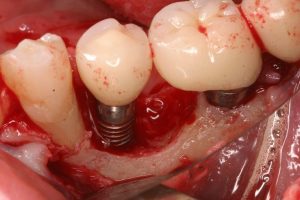
Peri-implantitis is an infection that affects the tissues surrounding a dental implant. It is similar to gum disease (periodontitis) but occurs around implants instead of natural teeth.
It typically involves:
- Inflammation of the gums around the implant
- Progressive bone loss supporting the implant
- Potential implant failure if untreated
As seen in the picture above the implant on the left side has threads outside the bone. That is a clear sign that peri-implantitis is present.
An earlier, reversible stage called peri-implant mucositis involves only gum inflammation—this is why early detection is critical.
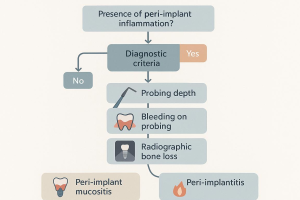
What Are “pockets” around Teeth and Implants and Why Do They Matter?
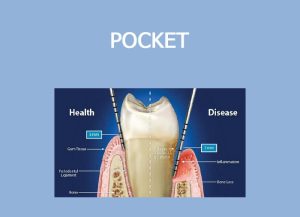
One of the most important ways we assess gum health is by measuring something called a pocket.
- This is the space between the gum and the teeth or implants
- In healthy conditions, this space is shallow (around teeth 1–3mm but it can extend up to 4-5mm around implants due to local anatomy)
- When inflammation occurs, the gum detaches and the space becomes deeper
To measure this, your dentist uses a probe—a thin instrument with millimeter markings.
The probe gently slides between the gum and the implant or the tooth to measure the depth as seen in the picture above.
What Does a Deep Pocket Mean?
A deeper pocket is a warning sign because at this stage:
- Bacteria can hide deep below the gum
- Daily brushing cannot reach the area
- The supporting bone is might be compromised
This is why regular professional measurements are essential—even when you have no pain.
Signs and Symptoms to Watch For
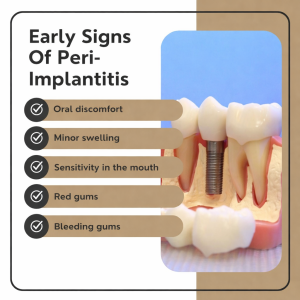
Peri-implantitis can progress silently, especially in the early stages. Be alert for:
- Red or swollen gums around the implant
- Bleeding when brushing or flossing
- Bad taste or pus discharge
- Gum recession (implant appears longer)
- Discomfort or pain
- Loosening of the implant (advanced stage)
What Causes Peri-Implantitis?
Several factors can contribute:
- Poor oral hygiene and plaque buildup
- Smoking
- History of gum disease
- Systemic conditions (e.g., diabetes)
- Implant positioning or prosthetic design issues
Often, it’s a combination of factors rather than a single cause.
How Is Peri-Implantitis Treated?
Treatment depends on severity:
Early Stage (Peri-Implant Mucositis)
- Professional cleaning
- Improved oral hygiene
- Antibacterial care
Advanced Stages (Deep Pockets Present)
- Deep decontamination of the implant surface
- Surgical access to clean infected areas
- Regenerative procedures to rebuild lost bone (when possible)
A specialist, multidisciplinary approach significantly improves outcomes.
Can Peri-Implantitis Be Prevented?

Yes—prevention is key:
- Brush perfectly once to twice daily
- Use interdental brushes or implant-specific floss
- Attend regular maintenance visits
- Avoid smoking
- Monitor your general health
👉 Routine check-ups are essential because only professional probing can detect deep pockets early.
Conclusion: Protect Your Implant Before It’s Too Late
Dental implants can last for many years—but only with proper care and monitoring.
A deep bleeding pocket is often the first measurable sign of a problem, even before pain appears.
✔ Healthy implant = shallow non bleeding pocket
✔ Deep pocket with bleeding = infection risk
✔ Early detection = better outcomes
👉 Book a consultation with our specialist team to assess your implant health and prevent complications before they progress.
